Nobody searches for dinner anymore. They describe it.
I spent last week building a company around one question: when someone asks ChatGPT where to eat, why does it name one place and not another? What I learned applies to every brand that needs to be recommended, including your next event.
 By Jeremy Vargas··7 min read
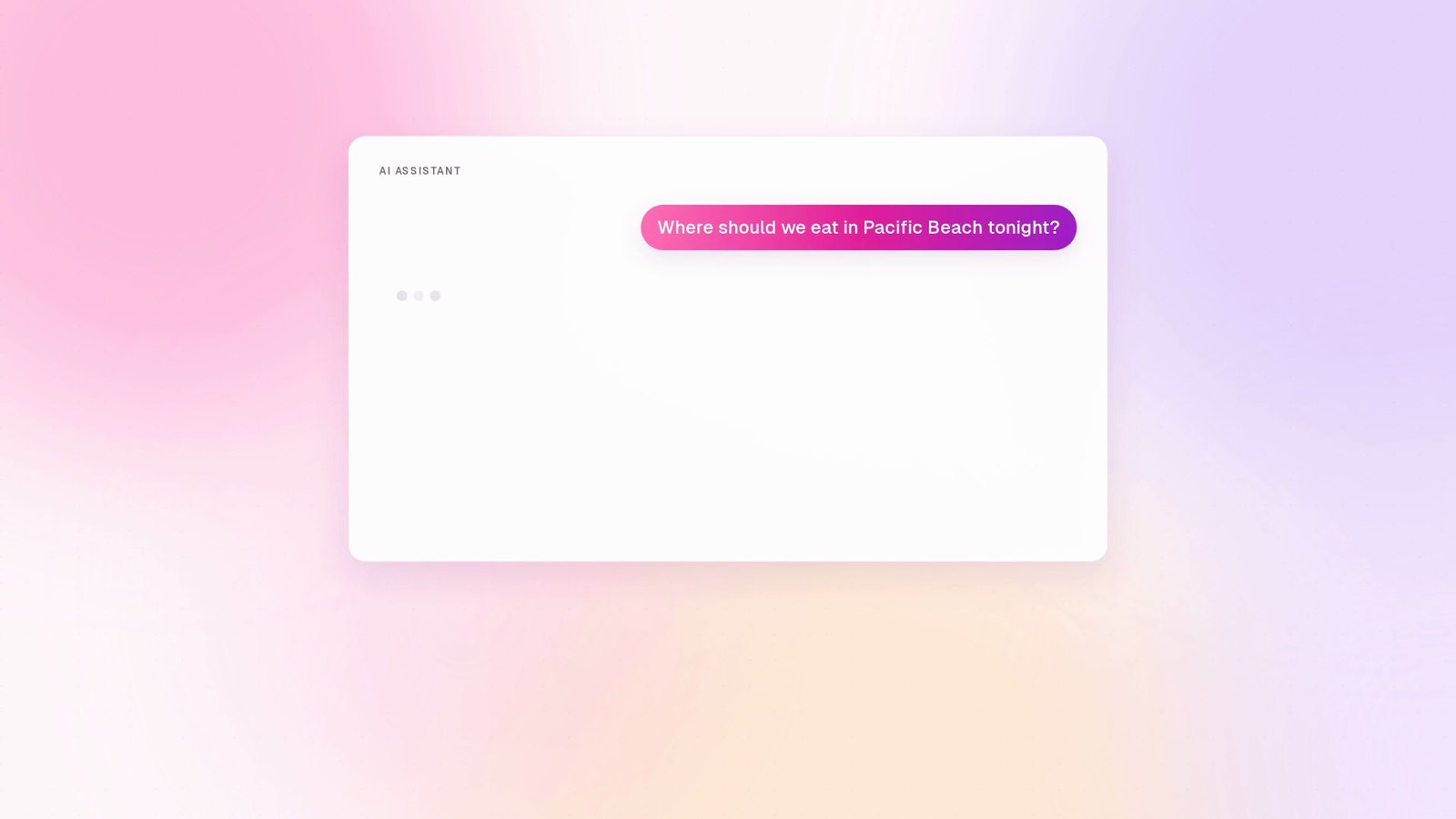
Type "best greek food near me" into a search bar and you get a map and a page of links. Ask ChatGPT "where should we eat in Pacific Beach tonight?" and you get three or four names, each with a sentence on why it fits. Every other restaurant in the neighborhood has simply stopped existing for that diner.
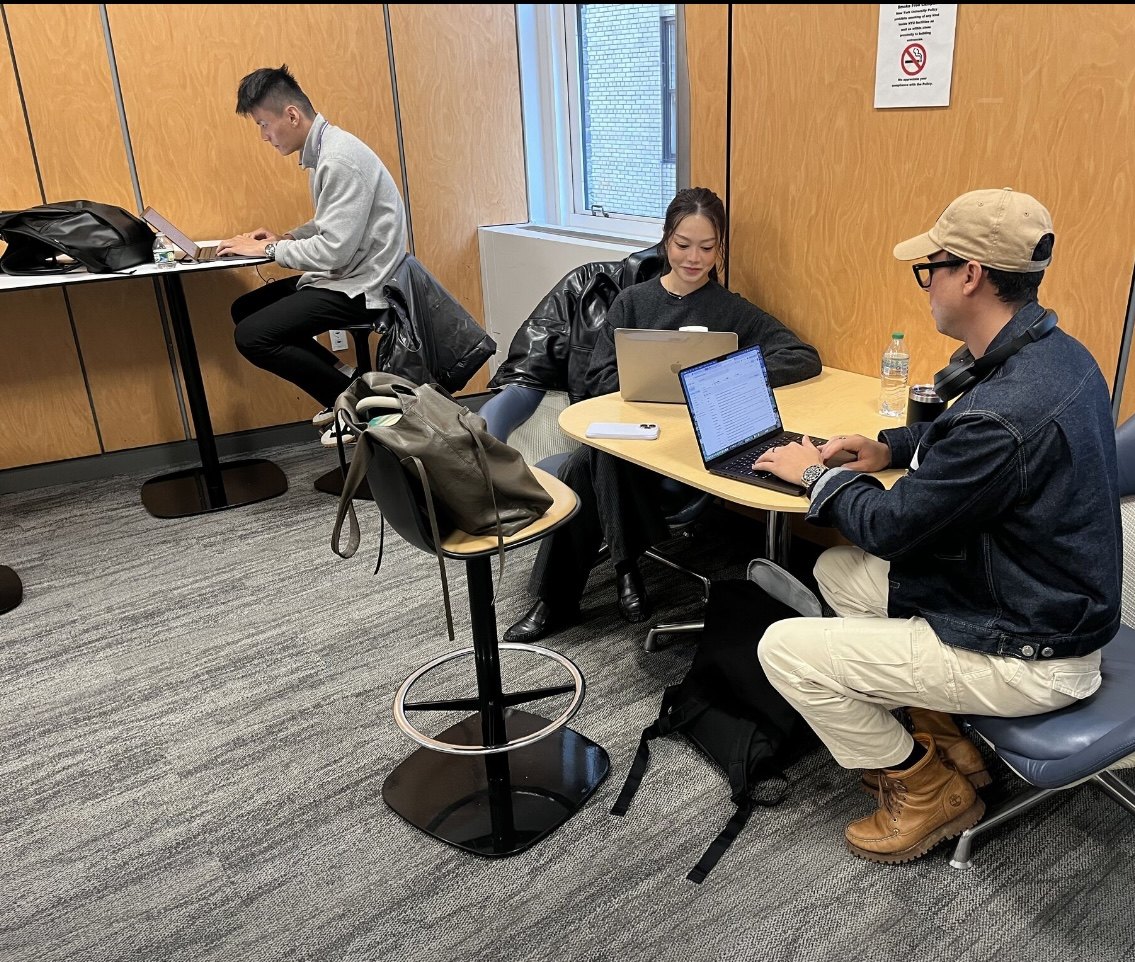
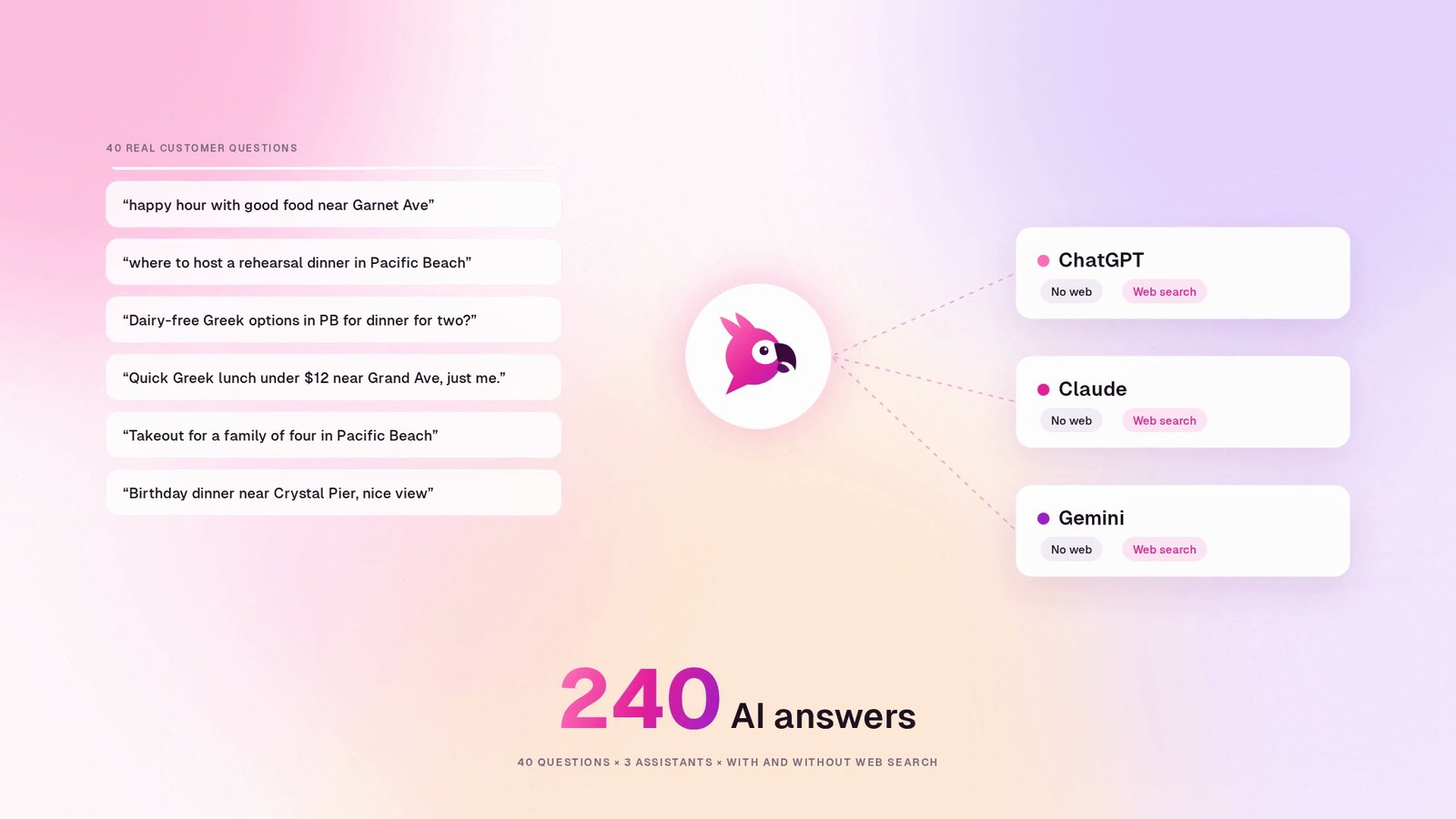
That gap is what I worked on last week. With Meng Wen Han and Thomas Cheng, two classmates of mine at NYU, I built Parrot, a tool that shows a restaurant whether ChatGPT, Claude and Gemini name it when people ask where to eat, which competitors get named instead, and what to fix. We started it at the NYU SPS × Pulse Foundry Hackathon on October 23.
So, a disclosure before anything else: Parrot is my company, and it is built by Socially, the company behind The Guest List. Read what follows with that in mind.
The week before we started, I spent time on background with people at OpenAI, and asked them a simple question: what decides who shows up? They were not speaking for the company, and nothing below is official OpenAI guidance. But their answers were consistent, and where OpenAI has published documentation on the same point, I have linked it.
The question changed shape
People do not talk to a chatbot the way they type into a search box. A 2025 study of ChatGPT usage by OpenAI's economic research team and the Harvard economist David Deming found that about 80% of conversations fall into three categories: practical guidance, seeking information and writing (Gizmodo, 2025). "Where should we eat" is practical guidance, and it arrives with context a search box never got: who is coming, what the night is for, how much to spend, how loud is too loud.
It also now ends in a booking. Since August, ChatGPT users in the US and Canada can book tables and join waitlists inside the chat, through Yelp, OpenTable and Resy (Android Headlines, 2026). The recommendation is no longer the start of a search. It is most of the decision.
Six things that decide who gets named
1. Let the agents in. If OpenAI's crawler cannot read your site, you are not in the answer. OpenAI's documentation is blunt: sites that opt out of its search crawler, OAI-SearchBot, "will not be shown in ChatGPT search answers," and it recommends allowing the crawler in your robots.txt file (OpenAI). A website builder's default or a security plugin can block it without anyone noticing. So can a menu that exists only as a PDF or a photo of a chalkboard.
2. Feed the system directly. The people I spoke with were clear that brands should connect their product data straight into ChatGPT, not wait to be crawled. For retailers there is now a formal path: OpenAI publishes a product feed specification, with nine required fields for every item, including price and availability, and an instruction to "update current prices and availability in your feed when they change" (OpenAI). Restaurants do not sell SKUs, but the principle carries. Your menu, hours and open tables should flow from a source you control into the platforms the assistants draw on, starting with the reservation system you already use.
3. Label yourself with schema.org. Schema.org is the shared vocabulary that tells a machine "this is a restaurant, this is its menu, these are its hours." Its Restaurant type has properties for cuisine, menu, reservations, price range and opening hours (Schema.org). A page a person can read is not the same as a page a model can parse.
4. Keep it current. A model is only as right as the last thing it read. The hours changed in September, the brunch menu ended, the private room now seats 20: if your site, your listings and your reservation profile disagree, you are asking the model to guess, and it may well guess someone else.
5. Write for the occasion, not the category. This was the point I heard most emphatically. People tell an assistant about their night: who it is for, when, and why. "Where to host a rehearsal dinner." "A quiet lunch where I can take a client." "Somewhere a vegan and a meat lover will both be happy." A page that says only "authentic Greek cuisine since 1990" answers a question nobody is asking anymore. Say who you are for and when you are for. Vibe, occasion, intention.
6. Think in context, not keywords. Keywords still matter, just differently. OpenAI's ad platform lets advertisers add what it calls context hints, and its documentation puts it plainly: "Hints are not exact-match keywords." Its example of a weak hint is "Shoes." A useful one is "Lightweight trail running shoes for rocky terrain" (OpenAI). That guidance is written for advertisers, but it describes how these systems think about relevance. The restaurant version is not "Greek restaurant San Diego." It is "late dinner after a show, open past 9:30, good for two."
Why this is an event marketer's problem too
Everyone who reads this column books rooms. The next time you need a private dining room for 14 the night before a conference, there is a good chance you will ask an assistant first, and you will describe the evening, not the cuisine. The venues that come back will be the ones that described themselves the same way.
The same six rules apply to your own event pages. If a buyer asks ChatGPT what is worth attending in their category next month, your dinner series is in the answer only if the page is open to crawlers, labeled, current and written for who the night is for. "Join us for an exclusive evening of networking" gives a model nothing to match. "A dinner for twelve heads of RevOps in New York, on fixing attribution before budget season" does.
What I am still unsure about
Search engine optimization became an industry of gaming the system, and this will too. Two things worry me.
The first is the length of the list. Ranking fourth on Google is survivable. Being fourth in a three-name answer means not existing, which concentrates enormous power in whichever sources the models trust most. Today that is review sites and reservation networks.
The second is sameness. Pressure to write "for the model" could flatten every restaurant into the same description of cozy-yet-lively. My bet is that the places that win will be the ones whose description is true and specific, because that is also what a person would say about them.
The old question was "how do I rank?" The new one is "when someone describes the exact night I am good for, does the machine think of me?" It is a better question. It is closer to how a good concierge, or a well-connected friend, has always worked.
If you run a restaurant, or book a lot of them, I would like to hear what you are seeing. And if you want to know whether AI names your place, Parrot runs a free check at parrotaisearch.com.
Sources
- OpenAI, Overview of OpenAI Crawlers: https://developers.openai.com/api/docs/bots
- OpenAI, Products feed specification (Commerce): https://developers.openai.com/commerce/specs/file-upload/products
- OpenAI, Ads campaign targeting and context hints: https://developers.openai.com/ads/campaign-targeting
- Schema.org, Restaurant: https://schema.org/Restaurant
- Android Headlines, You Can Now Book Restaurant Tables Directly Inside ChatGPT via Yelp, 2026: https://www.androidheadlines.com/2026/08/chatgpt-restaurant-reservations-yelp-opentable-resy.html
- Gizmodo, OpenAI study on how people use ChatGPT, 2025: https://gizmodo.com/openai-how-people-use-chatgpt-2000658906
Newsletter
The High Signal
A weekly read on AI, events and go-to-market, from Jeremy Vargas and The Guest List. Free, every week.
Unsubscribe from any issue. Privacy policy.